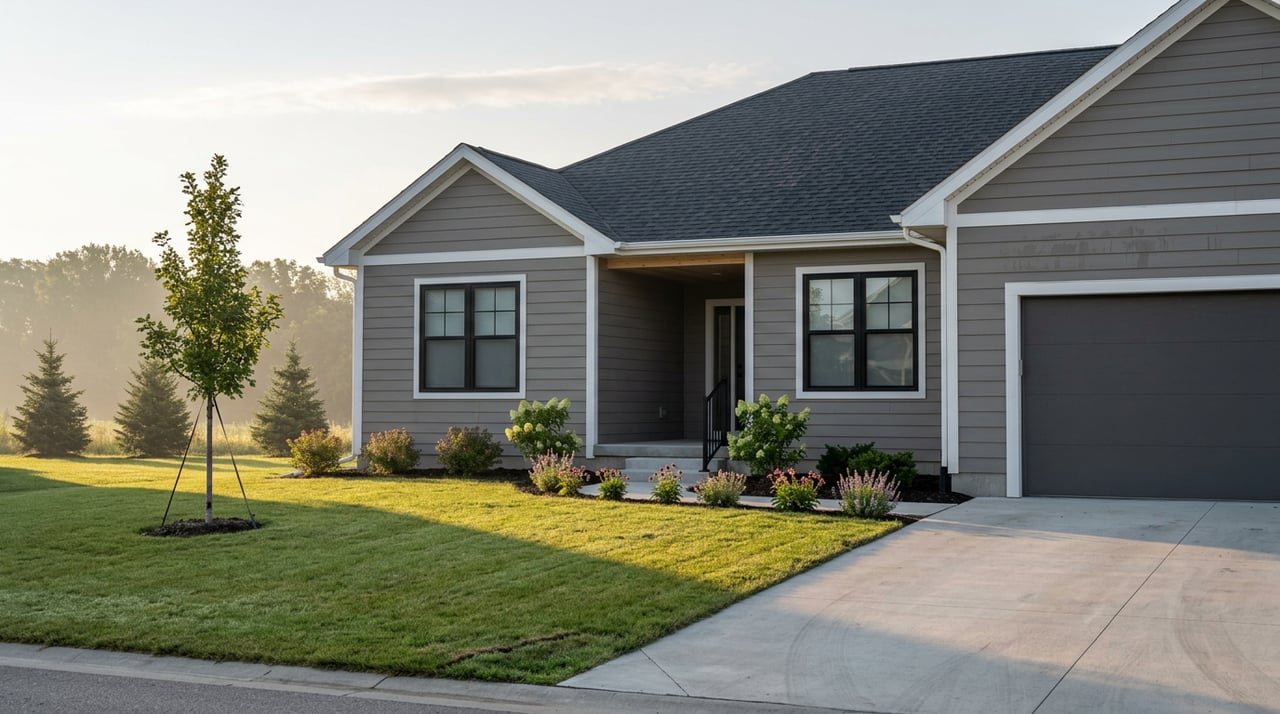
Derek Johnson and Chris Lerum are next-door neighbors on Ironwood Drive in Horace. In 2022, the city sent them a letter about a planned street project for their road, with a proposed cost of roughly $8,000 per household, split evenly among the properties that would benefit. Property owners voted to approve it. Construction happened. Then, in December 2025, when the tax bills arrived, Johnson's total assessment had climbed to $31,600. Lerum's had jumped to about $26,000. The project scope had expanded, and the way costs were divided among households had changed along the way. By the time either man understood what had happened, the 30-day window to formally object had already closed.
That single fact, more than any dollar figure, is the thing a buyer looking at a home in Horace actually needs to understand. The risk isn't that special assessments are expensive. Plenty of North Dakota communities use them, and the amounts on paper are often described as in line with regional norms. The risk is that the number a buyer sees when they're deciding whether to make an offer is frequently not the number that eventually lands on the tax bill, and the legal clock for challenging that difference can run out before most owners even know the final figure exists.
What a Special Assessment Actually Pays For
A special assessment in Horace is a charge levied directly against a property to cover infrastructure that benefits it, things like new streets, sewer lines, water mains, and lighting. The city has authority to levy these under North Dakota Century Code, and the process is meant to work like this: a project is proposed, a commission reviews and recommends how costs should be divided, the city council confirms the final list, and the assessment is certified against each parcel. Once certified, homeowners get 10 days to pay the full amount without interest. Anyone who doesn't pay in that window sees the balance spread across a term as long as 25 years, folded into the annual property tax statement and, for most mortgage holders, into their monthly escrow payment.
Cass County's Finance Department handles the actual billing and payoff amounts once a project is certified. That's a useful detail on its own: the certified, current balance on any specific address is a matter of public record, not something a buyer has to take on faith from a listing sheet.
Where the Estimate and the Final Bill Diverge
The Ironwood Drive project is one example, but it isn't the only one where the number changed substantially between an early estimate and a final certified assessment. Brenna Lachowitzer, who bought new construction in Horace and closed in August, had her lender and appraiser verify an assessment estimate of $38,000, consistent with what neighbors on comparable lots were told. When her escrow statement arrived that following spring, her specials were just under $80,000.
| Household | Early estimate | What was ultimately assessed |
|---|---|---|
| Derek Johnson, Ironwood Drive | ~$8,000 (2022 proposal), later noted at $14,000 | $31,600 |
| Chris Lerum, Ironwood Drive | ~$12,000 | $26,000 |
| Brenna Lachowitzer, new construction lot | ~$38,000 (lender and appraiser figure) | just under $80,000 |
Three different properties, three different project types, and in every case the final number is roughly double what the buyer or owner was working from when they made their decision. That pattern is the actual story here. An estimate in Horace is a snapshot of a project at one stage of its life, not a guarantee of what the parcel will owe once construction is finished, the commission finalizes its recommendation, and the city council confirms the list.
Why the Objection Window Matters More Than the Dollar Amount
The procedural side of this is where buyers get caught off guard even more than the dollar figures. When the Horace Special Assessment Commission finalizes recommendations for a batch of projects, property owners who want to object have to submit that objection in writing within a specific window tied to the confirmation notice, not whenever they happen to notice the change on a tax bill. Objections filed with the commission don't automatically carry over if the city council later revisits the same project. Each stage requires its own new round of written objections, and only property owners who've filed one are permitted to speak at the council's objection hearing.
That structure is exactly what caught Lerum. When he emailed the mayor about the increase, the reply confirmed their objection had arrived after the 30-day window, not that the new number itself was wrong.
It's also what sank an earlier, separate legal challenge. In April 2025, more than a dozen Horace families, including new-construction buyer Brenna Lachowitzer, joined a lawsuit against the city over assessments that had climbed well past their original estimates. A Cass County judge dismissed that case in September 2025, ruling the objection had come in after the 30-day window tied to when the assessment was confirmed, not whenever a homeowner personally discovered the new figure. Attorney Brandon Erickson, who represented the group, has said an appeal to the North Dakota Supreme Court remains a possibility, and he's indicated he'd like to see the legislature revisit how the assessment process works statewide. At least two Horace homeowners have already lost their homes to foreclosure tied to assessment increases, according to reporting on the case, while others have negotiated forbearance with their lenders. None of that is a legal opinion on anyone's specific situation. It's a reminder that in Horace, the calendar matters as much as the ledger.
Not Every Street in Horace Carries the Same Exposure
It's also worth being specific about where the risk actually concentrates, because "Horace" isn't one uniform assessment picture. Eva Mossavi, who lives in the Terra Gardens neighborhood, has described her own assessments as relatively low compared to other parts of town, even as she's found it harder to sell her home because buyers have grown wary of specials in general. Meanwhile, projects tied to the Cub Creek Second Addition and River's Edge Second Addition drew extended debate at commission meetings in September 2025 over how to treat retention ponds, some of which had been classified as recreational amenities and assessed accordingly, a decision commissioners defended on the grounds that nearby properties would see added value from them.
As commissioner Martin Hochhalter noted during that same round of meetings, the city continues to use the front-foot method, which assesses based on the linear footage of a property along the improved street, unless every owner in a district agrees unanimously to petition for a different approach. That single methodological default, applied uniformly regardless of lot shape or how a buyer might expect costs to be split, is part of why two comparable-looking homes on different streets in Horace can carry very different assessment loads.
What to Verify Before Your Inspection Period Closes
For a buyer looking at a specific address in Horace, a few concrete steps matter more than a general sense of the neighborhood's reputation:
Ask for the current certified assessment balance on the exact parcel from Cass County, not an estimate from a builder or a prior owner's memory. Ask whether any project affecting that address is currently in front of the Special Assessment Commission but not yet finalized, since a pending project can still land on the property after closing. If you're buying new construction, get the assessment figure in writing, dated, and tied to the specific lot, then confirm it independently with the city's Finance Director's office rather than relying solely on the builder's number. And if a seller mentions an assessment amount that sounds low relative to comparable streets, ask why, since the answer might simply be that the property sits in a district like Terra Gardens with genuinely lower per-lot costs, or it might mean a recalculation is still working its way through the process.
None of this changes the fact that Horace remains a place where a lot of people are building homes and staying long term. It does mean the number on a spec sheet deserves the same scrutiny as the number on an inspection report.
A Few Questions Worth Asking Directly
Is the assessment figure a seller shows me guaranteed to be final? Based on the Ironwood Drive and new-construction cases described above, not necessarily. Confirm the certified balance directly with Cass County rather than relying on an estimate.
Who actually bills and collects special assessments in Horace? The Cass County Finance Department processes billing and payoff amounts once a project is certified by the city.
Does a high special assessment mean a home won't sell? Not automatically, but local agents have described homes with larger or contested assessments taking noticeably longer to sell than comparable homes in districts with lower per-lot costs.
Buying in a growing community means buying into its infrastructure decisions, and in Horace those decisions are still being worked out in real time. If you're looking at a specific address there and want a second set of eyes on what the assessment history actually says before you write an offer, Arlin Fisher is glad to help you sort through it. Let's Connect.