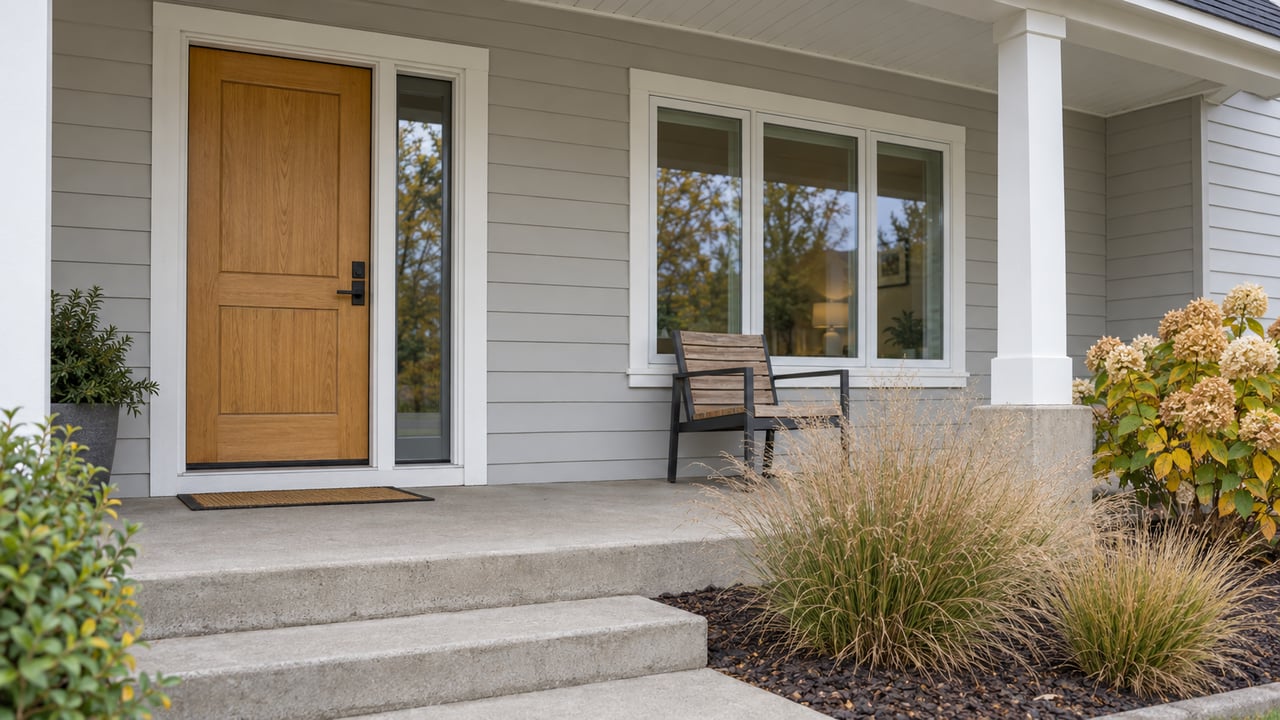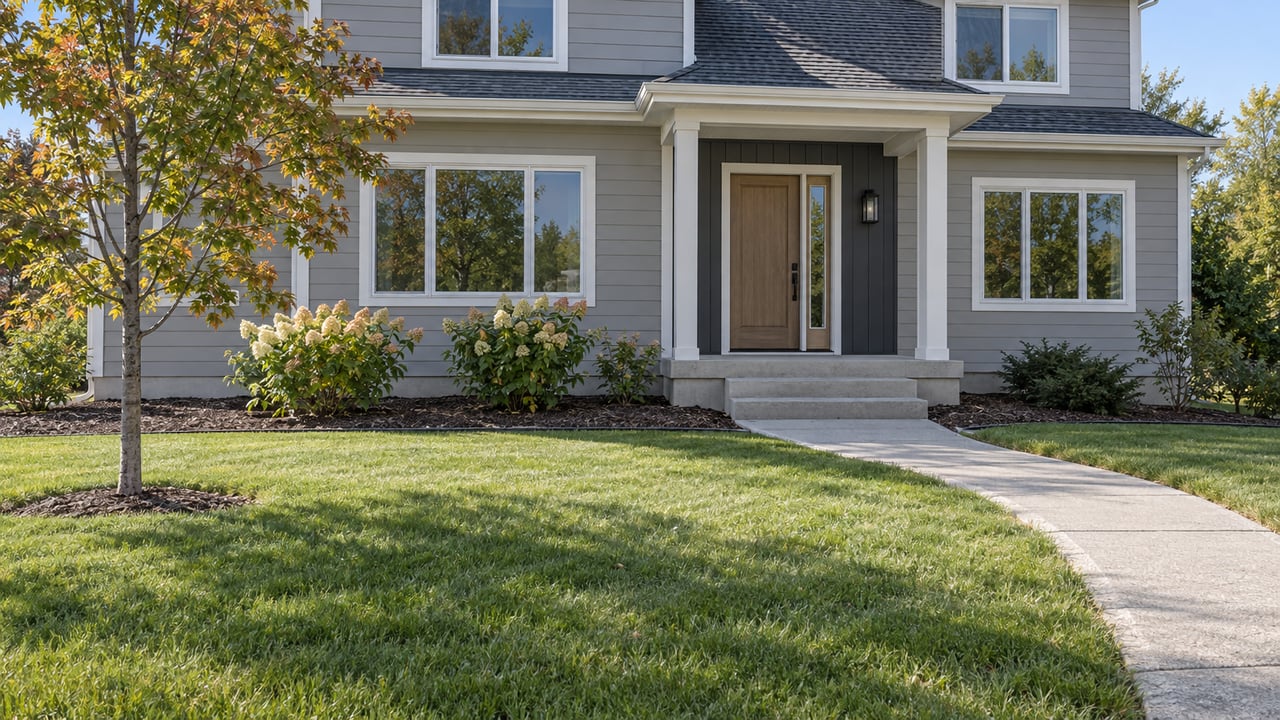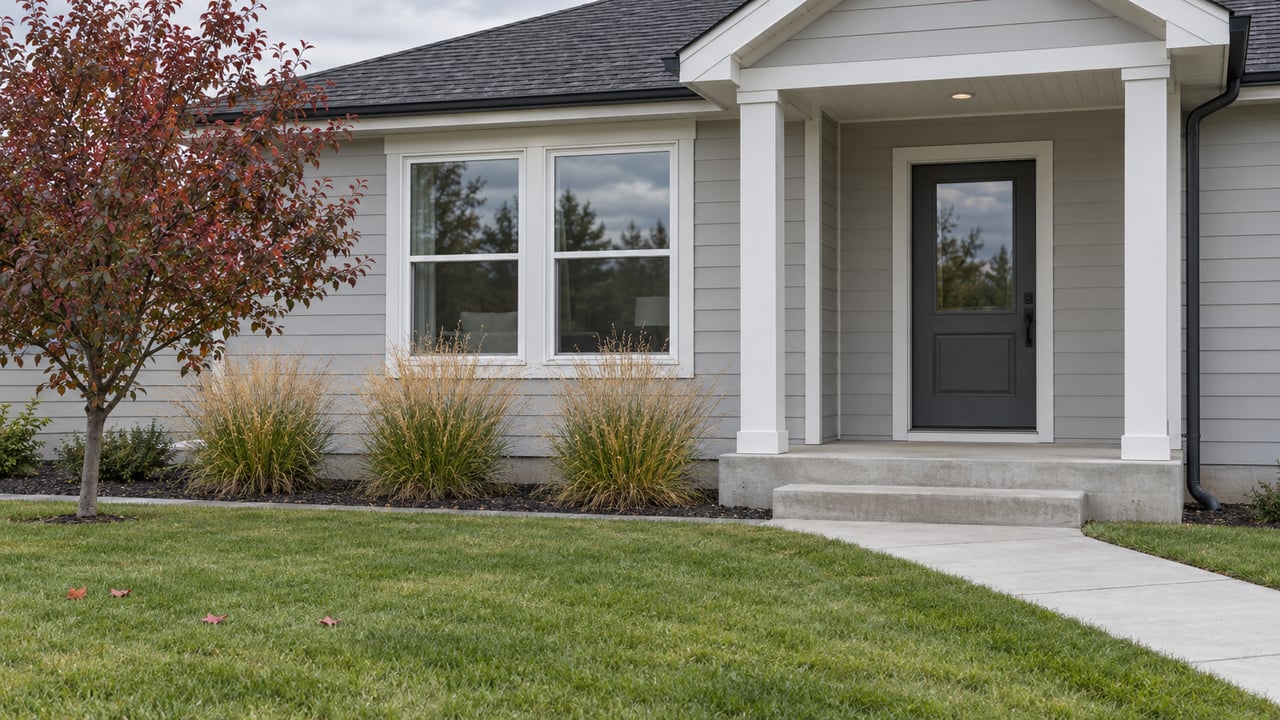
Pull up a Kindred listing and a Casselton listing side by side and the math looks broken. Both towns sit within about 30 miles of Fargo, a drive of roughly half an hour whichever direction you head. Both are small, agricultural-rooted Cass County communities that have spent the last few years absorbing spillover growth from the metro. And yet as of this summer, a typical Casselton home was priced about 30 percent lower per square foot than a typical Kindred home, while Casselton listings were sitting on the market for well over a year at a time.
If you're cross-shopping these two towns, that gap is not telling you one town is worth more than the other. It's telling you that two different city halls made two different financing decisions this year, and those decisions are showing up in the listing data before anyone talks about schools, lot size, or curb appeal.
The Half-Hour Test
Start with the thing buyers usually assume explains a price gap: distance. It doesn't, here. Casselton runs about 25 miles west of Fargo on I-94, a 26 to 30 minute drive depending on traffic. Kindred sits roughly 30 miles south of the metro, also about a half hour door to door. Neither town has a meaningfully shorter or longer commute into Fargo than the other, and neither is closer to the interstate, the airport, or the hospital district in a way that would justify a real premium.
So if it isn't distance, and it isn't obviously school district or lot size (both towns build primarily single-family homes on similarly sized lots), the honest answer is that you're looking at two towns mid-cycle on two very different municipal projects, and each project is quietly setting the price.
Why Kindred's New Construction Is Priced Like A Small City
As of May 2026, the median list price across all Kindred homes was $525,000, at roughly $224 per square foot. Narrow that to new construction alone and the number climbs further. In early August 2026, new-build listings in Kindred carried a median asking price of $630,000.
That pricing didn't happen in a vacuum. Kindred currently offers a tax abatement paired with a special assessment deferral. Layer onto that the city's Renaissance Zone Development Plan, which is specifically aimed at encouraging reinvestment in the older parts of Kindred, and you get a town pulling two levers at once: subsidized new lots on the growth edge and tax-incentivized fixes to the existing core.
The new subdivisions carry their own marketing logic on top of the Kindred abatement, and the two don't always line up. Lots in Norman Acres are being marketed on a separate basis from the deferral program. Meadow Trails, another new Kindred subdivision, leans on the Kindred tax abatement instead. The City of Kindred lists Newport Ridge's Phase 5 street improvement project.
The one-sentence version: Kindred's higher price per square foot isn't buyers paying more for the same house, it's buyers paying for a subsidy structure.
The city is also mid-way through a formal Comprehensive and Transportation Plan, the kind of long-range planning exercise cities typically undertake when they expect sustained growth rather than a short-term bump. That context matters for anyone weighing whether Kindred's current pricing reflects a temporary spike or a town settling into a new baseline.
Why Casselton's Listings Are Sitting Longer Than They Should
Casselton tells a different story, and it's not a story about lack of interest. As of July 2026, the median list price in Casselton was $409,000, at about $156 per square foot, a price per square foot roughly 30 percent below Kindred's. The median time on market for a Casselton listing that same month was 526 days, essentially unchanged from a year earlier, which suggests this isn't a one-month blip but a standing pattern in how the town's inventory is moving right now.
The likely explanation sits in Casselton's downtown, not in buyer demand. The City of Casselton identifies a new special assessment district this year for the 2026-1 Downtown Improvement Project, and the North Dakota Department of Environmental Quality's Finding of No Significant Impact dated April 2, 2026 lays out the scope: a complete replacement of the sanitary sewer system, a partial replacement of the drinking water system, and storm sewer extensions, all inside the Casselton Commercial Historic District, which is listed on the National Register of Historic Places. The city is planning to finance the work partly through Clean Water and Drinking Water State Revolving Fund loans.
The City of Casselton describes its Renaissance Zone Program as covering the downtown business district and a few adjoining residential blocks, with the goal of encouraging private investment and keeping storefronts from sitting vacant. But a Renaissance Zone incentive and a pending sewer-and-water special assessment are two different things happening on the same blocks at the same time.
None of that changes what Casselton actually is. It's the hometown of five North Dakota governors, and the fields around it were part of the first bonanza farm in the Red River Valley, bought up in 1874 by George Cass and Benjamin Cheney and put under the management of Oliver Dalrymple. It's compact enough that a resident can walk the entire town in under an hour, and the city recently added a shared-use path along Highway 18 running from I-94 to Cottonwood Drive. Casselton isn't a town people are avoiding. It's a town where the paperwork on a century-old water and sewer system is finally catching up, and the market is pricing that timeline in.
What This Actually Means If You're Weighing Both Towns
If you're deciding between the two, the useful questions aren't about which town is nicer. They're about which financial event you'd rather buy into.
In Kindred, ask specifically whether the tax abatement and special assessment deferral attach to the parcel you're considering, or whether it's a builder incentive tied only to new construction in a specific development. The three don't carry the same terms.
In Casselton, ask where the property sits relative to the Downtown Improvement Project boundary.
Either way, the price you see on a portal listing is not the full picture in either town this year. The full picture is sitting in a city council packet, a Renaissance Zone application, or a state environmental filing, and it's worth asking your agent to go find it before you write an offer.
A Few Questions Worth Asking Directly
Does Kindred's tax abatement apply to a home I'm buying, or only to the original owner who built it? Confirm the specific terms with the city before assuming they transfer.
Will Casselton's downtown infrastructure project affect a home outside the historic district? The current project is scoped to the Casselton Commercial Historic District. It's worth confirming a specific address against the current district map.
Is Casselton's long time-on-market a sign of a weak market? Not necessarily. A 526-day median as of July 2026 reflects the full mix of listings, including higher-priced or rural-adjacent properties that naturally take longer to sell. It's a signal to dig into the specific comparable homes in your price range, not a reason to write off the town.
If you're trying to make sense of what a price gap like this actually means for your own move, that's exactly the kind of digging Arlin Fisher does before a client ever writes an offer. Let's Connect and talk through which town, and which financing structure, actually fits what you're trying to do.
This article is general information, not legal, tax or financial advice. Consult a qualified professional about your situation.